
Not Taking Any Medications? Do You Still Need Medicare Part D?
Life and Med – Medicare Resource Center
If you’re new to Medicare and don’t take any prescription medications, you might be wondering: Why should I pay for prescription drug coverage when I don’t even use it?
It’s a fair question! If your medicine cabinet is practically empty, paying a monthly premium for a prescription drug plan might seem unnecessary. But before you decide to skip Medicare Part D, there are a few important things you should know.
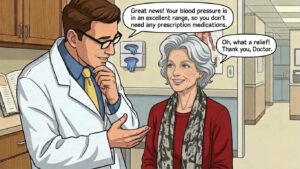
Even if you don’t take a single prescription medication today, having Medicare Part D could help protect you from unexpected prescription costs and a potential late enrollment penalty in the future.
Let’s break it down!
What Is Medicare Part D?
Medicare Part D is prescription drug coverage offered through private insurance companies approved by Medicare. It helps pay for eligible prescription medications and can be obtained in two main ways:
- A standalone Part D plan: You can add prescription drug coverage to Original Medicare.
- A Medicare Advantage plan with drug coverage: Many Medicare Advantage plans bundle medical and prescription drug benefits together.
Each plan has its own monthly premium, covered medications, pharmacy network, and cost-sharing rules. That means comparing plans is important, even if you currently take no medications.
If I Don’t Take Medications, Why Would I Need Part D?
There are three important reasons to consider prescription drug coverage, even when you aren’t filling prescriptions right now.
1. You Could Face a Late Enrollment Penalty
This is one of the biggest reasons not to overlook Part D.
If you go 63 consecutive days or longer without Medicare prescription drug coverage or other qualifying creditable prescription drug coverage after your enrollment period, you may face a late enrollment penalty when you eventually sign up.
The penalty is generally calculated based on how long you went without qualifying coverage. It is usually added to your monthly Part D premium for as long as you have Medicare drug coverage.
Here’s an example:
Imagine you become eligible for Medicare but decide to skip Part D because you don’t take any medications. A few years later, your doctor prescribes medication that you need regularly.
If you didn’t have creditable drug coverage during that time, you could face a late enrollment penalty when you enroll in Part D.
The penalty can follow you for years, so it’s worth understanding your options before turning down coverage.
Important: You may be able to delay Part D without a penalty if you have other creditable prescription drug coverage, such as qualifying coverage through an employer or certain veterans’ benefits. Always verify your coverage before making a decision.
2. Your Prescription Needs Could Change
You might be healthy today and rarely visit a pharmacy, but healthcare needs can change unexpectedly.
A new diagnosis, an infection, a medical procedure, or another health issue could mean needing prescription medication.
Without prescription drug coverage, you may have to pay the full cost of covered prescriptions yourself.
Part D provides a way to prepare for those unexpected expenses before you need medication. Your plan’s actual coverage and costs will depend on its benefits and formulary.
3. You May Find an Affordable Plan
Some people assume prescription drug coverage will be expensive. However, Part D plans have different premiums and benefits, and some offer relatively low monthly premiums.
If you don’t take medications, you may be able to find a plan that provides protection without a large monthly expense.
When comparing plans, look beyond the premium. Consider the deductible, pharmacy network, and the medications covered should your needs change.
The goal is to find coverage that makes sense for your circumstances and budget.
– The “Low-Cost Plan” Strategy
If you don’t take medications, you don’t need a premium plan with high monthly costs and low copays for expensive specialty drugs.
Instead, many beneficiaries opt for a low-cost Part D plan (or a Medicare Advantage plan that includes prescription coverage at a $0 additional premium).
By enrolling in a low-cost, basic standalone plan:
-
You keep your monthly costs minimal.
-
You establish continuous creditable coverage, satisfying Medicare’s requirements.
-
You completely avoid incurring lifetime late enrollment penalties.
What If I Have a Medicare Advantage Plan?
Here’s something important to understand: You may already have Part D without realizing it!
Many Medicare Advantage plans include prescription drug coverage as part of the plan.
If your plan includes drug coverage, you generally don’t need to purchase a separate Part D plan. In fact, enrolling in a separate Part D plan can cause you to lose your Medicare Advantage coverage in many HMO and PPO plans.
Before making any changes, check your current plan documents or contact your insurance provider to confirm whether prescription drug coverage is included.
If you have Original Medicare instead, prescription drug coverage is generally available through a separate Part D plan.
Can I Wait Until I Actually Need Medication?
You can choose not to enroll when first eligible, but doing so may have consequences.
If you don’t have other creditable prescription drug coverage, waiting could mean:
- Paying a late enrollment penalty later.
- Having to wait for an available enrollment opportunity to obtain coverage.
- Facing unexpected prescription costs while you are without coverage.
In general, Medicare’s Annual Enrollment Period runs from October 15 through December 7 each year. Eligible individuals can use this period to make certain changes to their Medicare coverage, with most changes taking effect January 1.
However, other enrollment opportunities and special circumstances may apply. Don’t assume you can enroll immediately whenever a new prescription is needed.
What If I Have VA or Employer Drug Coverage?
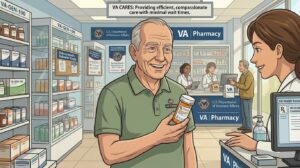
You may not need a separate Part D plan if you already have qualifying prescription drug coverage.
Examples can include:
- Certain employer or union prescription drug plans.
- Veterans Affairs (VA) prescription drug coverage.
- TRICARE and certain other qualifying programs.
The important question is whether your existing coverage qualifies as creditable prescription drug coverage under Medicare rules.
If you have coverage through an employer or union, review how enrolling in Part D could affect your existing benefits before making changes. Some coverage arrangements can be affected by joining another plan.
How Do I Decide What’s Right for Me?
Before deciding to skip Part D, ask yourself these questions:
- Do I already have prescription drug coverage through Medicare Advantage, an employer, the VA, or another qualifying program?
- If I have no other coverage, what would an affordable Part D plan cost?
- Could I comfortably pay for prescriptions unexpectedly if my health needs changed?
- Have I checked whether delaying coverage could result in a penalty?
Your answers can help you determine which option makes the most sense for your situation.
The Bottom Line: No Medications Doesn’t Always Mean No Part D!
If you’re not taking prescription medications, Medicare Part D may seem unnecessary. But having drug coverage can help protect you against future prescription costs and the possibility of a late enrollment penalty.
The right choice depends on your existing coverage, budget, and healthcare needs. Take the time to review your options before deciding to go without prescription drug coverage.
At Life and Med – Medicare Resource Center, we’re here to help you understand your Medicare options and make informed decisions about your coverage.
You don’t have to figure it all out alone!
Need help reviewing your Medicare options?
Visit Life and Med – Medicare Resource Center for local Medicare guidance.
📍 216 N. 3rd St., Suite B, Leesburg, FL 34748
📞 Call or text: 352-260-0202
Life and Med provides Medicare education and insurance guidance to help you understand your options. Plan availability, premiums, benefits, and enrollment eligibility vary. Always verify your specific coverage and enrollment circumstances before making changes.