
Categories Health insurance

What Is a Medicare Savings Program?

Medicare Savings Program

Medicare Savings Programs in 2026: Could You Save Hundreds Each Year?

Many Medicare beneficiaries don’t realize they may qualify for financial assistance that helps cover Medicare costs. If you’re living on a fixed income, the Medicare Savings Program (MSP) could significantly reduce your healthcare expenses by paying some or even all of your Medicare premiums and other out-of-pocket costs.

At Life and Med, we believe no one should miss out on benefits they’re entitled to. Here’s what you need to know about Medicare Savings Programs in 2026.


What Is a Medicare Savings Program?

A Medicare Savings Program (MSP) is a state-administered program that helps eligible Medicare beneficiaries pay certain Medicare expenses.

Depending on the program you qualify for, your state may help pay for:

  • Medicare Part A premiums
  • Medicare Part B premiums
  • Deductibles
  • Coinsurance
  • Copayments

When you apply, your state will determine which Medicare Savings Program you qualify for based on your income and available resources.

Even if you think your income is too high, it’s still worth applying. Some states have more flexible eligibility rules than the federal guidelines.


The Four Medicare Savings Programs

1. Qualified Medicare Beneficiary (QMB)

The Qualified Medicare Beneficiary (QMB) Program provides the most comprehensive financial assistance.

What QMB Covers

  • Medicare Part A premiums (if applicable)
  • Medicare Part B premiums
  • Medicare deductibles
  • Coinsurance
  • Copayments

2026 Income & Resource Limits

Household Monthly Income Resource Limit
Individual $1,350 $9,950
Married Couple $1,824 $14,910

Additional Benefits

If you qualify for QMB:

  • Medicare providers cannot bill you for Medicare-covered deductibles, coinsurance, or copayments.
  • You’ll automatically receive Extra Help (Low-Income Subsidy) for prescription drug costs.
  • In 2026, you’ll pay no more than $12.65 for each covered prescription through your Medicare drug plan.

2. Specified Low-Income Medicare Beneficiary (SLMB)

The SLMB Program helps pay your Medicare Part B premium.

You must have both Medicare Part A and Part B to qualify.

2026 Income & Resource Limits

Household Monthly Income Resource Limit
Individual $1,616 $9,950
Married Couple $2,184 $14,910

Additional Benefits

If you qualify:

  • Your Medicare Part B premium is paid for.
  • You’ll also receive Extra Help with prescription drug costs.
  • You’ll pay no more than $12.65 per covered prescription in 2026.

3. Qualifying Individual (QI) Program

The QI Program also helps pay your Medicare Part B premium.

You must have both Medicare Part A and Part B.

2026 Income & Resource Limits

Household Monthly Income Resource Limit
Individual $1,816 $9,950
Married Couple $2,455 $14,910

Important Things to Know

  • You must reapply every year.
  • Benefits are awarded on a first-come, first-served basis.
  • Current participants receive priority when reapplying.
  • You’ll also receive Extra Help for prescription drug coverage.

The QI Program is available only to people who do not qualify for full Medicaid benefits.


4. Qualified Disabled and Working Individual (QDWI)

Although less common, the QDWI Program helps certain people under age 65 who are disabled, working, and have lost premium-free Medicare Part A after returning to work.

QDWI Helps Pay

  • Medicare Part A premiums only

Eligibility requirements differ from the other Medicare Savings Programs and are designed for a specific group of beneficiaries.


What Counts as Resources?

When determining eligibility, states generally consider resources such as:

  • Money in checking and savings accounts
  • Stocks and bonds
  • Certain retirement-related assets

Typically, your home, one vehicle, personal belongings, household items, and burial spaces are not counted toward resource limits. Because states can have different rules, it’s important to check with your state’s Medicaid office.


Income Limits May Be Higher in Your State

The federal income limits listed above are the standard guidelines for 2026.

However:

  • Some states have higher income limits.
  • Some states exclude certain types of income.
  • Some resources may not count depending on where you live.

That’s why it’s always worth applying—even if you believe your income may be above the listed limits.


Extra Help with Prescription Drugs

One of the biggest advantages of qualifying for a Medicare Savings Program is that you’ll automatically receive Extra Help with your Medicare prescription drug coverage.

In 2026, eligible beneficiaries pay no more than $12.65 for each covered prescription drug under their Medicare Part D plan.


Why You Should Apply

Many people assume they won’t qualify and never submit an application. Unfortunately, that means they may miss out on hundreds—or even thousands—of dollars in annual savings.

A Medicare Savings Program could help you:

  • Lower your monthly Medicare costs
  • Reduce or eliminate deductibles and copayments
  • Save money on prescription medications
  • Protect your budget while receiving the healthcare you need

Life and Med Is Here to Help

Understanding Medicare can be confusing, but you don’t have to figure it out alone.

At Life and Med, we’re committed to helping you explore your Medicare options and determine whether you may qualify for valuable savings programs. We’ll help answer your questions and guide you through your Medicare choices so you can make informed decisions with confidence.

If you’d like to learn more about Medicare Savings Programs or other Medicare benefits, contact Life and Med today. We’re here to help you maximize your Medicare benefits and keep more money in your pocket.

📍 Office: 216 N 3rd St, Suite B, Leesburg, FL
📞 Phone: 352-260-0202

Don’t wait until your coverage is at risk — contact us today and let’s make sure you’re protected, informed, and empowered.


Disclaimer: Eligibility for Medicare Savings Programs is determined by your state’s Medicaid agency. Income and resource limits are subject to change, and some states have more generous eligibility guidelines than the federal standards. This article is for educational purposes and should not be considered legal or financial advice.

Categories Health insurance

HMO vs. PPO Medicare Advantage Plans in Florida (2026): Which One Is Right for You?

HMO vs. PPO Medicare Advantage Plans in Florida (2026): Which One Is Right for You?

HMO vs. PPO Medicare Advantage Plans in Florida (2026): Which One Is Right for You?

Choosing a Medicare Advantage plan can feel confusing, especially when you are comparing an HMO and a PPO. Both plan types give you your Medicare Part A (hospital insurance) and Part B (medical insurance) benefits through private insurance companies approved by Medicare. Many plans also include prescription drug coverage and extra benefits such as dental, vision, hearing, fitness memberships, and over-the-counter allowances.

If you live in Florida, where there are many Medicare Advantage options available, understanding the differences between HMO and PPO plans can help you find coverage that fits your healthcare needs and your budget.

What Is a Medicare Advantage Plan?

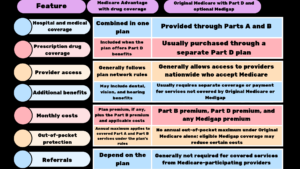
Medicare Advantage, also called Medicare Part C, is an alternative way to receive your Original Medicare benefits. Instead of Medicare paying your claims directly, a private insurance company manages your coverage.

Many Medicare Advantage plans include benefits that Original Medicare does not cover, such as:

  • Prescription drug coverage (Part D)
  • Routine dental care
  • Vision exams and eyewear
  • Hearing exams and hearing aids
  • Fitness programs like SilverSneakers® (when offered)
  • Over-the-counter allowances
  • Transportation or meal benefits on certain plans

These added benefits can be appealing, but it is important to understand how each plan type works before you enroll.

What Is an HMO Medicare Advantage Plan?

A Health Maintenance Organization (HMO) plan is built around a network of doctors, specialists, hospitals, and other healthcare providers.

With most HMO plans, you will choose a Primary Care Physician (PCP) who helps coordinate your care. If you need to see a specialist, you will usually need a referral from your primary doctor.

Except in emergencies or urgent care situations, services generally must be received from providers in the plan’s network.

Advantages of an HMO

Many Medicare beneficiaries choose HMOs because they often offer:

  • Low or even $0 monthly premiums
  • Lower copays for many medical services
  • Lower maximum out-of-pocket costs
  • Coordinated care through one primary physician
  • Strong local provider networks throughout South Florida

For seniors who get most of their care close to home and are comfortable staying within a provider network, an HMO can be a very cost-effective choice.

Potential Drawbacks

The biggest drawback is flexibility.

If your preferred doctor or specialist is not in the network, you will usually need to choose another provider or pay the full cost yourself. You will also typically need referrals before seeing specialists, which can add an extra step to your care.

What Is a PPO Medicare Advantage Plan?

A Preferred Provider Organization (PPO) plan gives you more freedom when choosing healthcare providers.

Unlike an HMO, a PPO usually does not require referrals to see specialists. You can also receive care from doctors both inside and outside the network.

You will generally save money by staying in-network, but out-of-network services are often still covered at a higher cost.

Advantages of a PPO

Many beneficiaries prefer PPO plans because they offer:

  • Greater flexibility when choosing doctors
  • No referral requirements for specialists
  • Coverage for many out-of-network providers
  • Easier access to care while traveling
  • More options if you spend time in multiple states

This flexibility makes PPO plans especially appealing for snowbirds and retirees who travel often.

Potential Drawbacks

That added flexibility usually comes with higher costs.

Compared with HMOs, PPO plans often have:

  • Higher monthly premiums
  • Higher copayments and coinsurance
  • Larger maximum out-of-pocket limits
  • Higher costs when using out-of-network providers

If keeping healthcare expenses as low as possible is your main goal, an HMO may provide better value.

Comparing Costs in Florida

While every Medicare Advantage plan is different, there are some common trends.

HMO plans often include:

  • Lower monthly premiums (many are $0)
  • Lower copays
  • Lower annual out-of-pocket maximums

PPO plans often include:

  • Higher premiums
  • Higher cost-sharing
  • More flexibility to see providers outside the network

Keep in mind that the lowest premium does not always mean the lowest total cost. Be sure to compare:

  • Prescription drug coverage
  • Copays
  • Coinsurance
  • Deductibles (if applicable)
  • Maximum out-of-pocket limits
  • Provider networks

Provider Networks Matter

Florida has one of the largest healthcare systems in the country, with many excellent hospitals and specialists. However, not every provider participates in every Medicare Advantage network.

Before enrolling, always confirm that your:

  • Primary care physician
  • Specialists
  • Preferred hospitals
  • Pharmacies
  • Prescription medications

are included in the plan you are considering.

Switching plans because your doctor is not in-network can be frustrating—and often avoidable.

Medicare Advantage Trends for 2026

Medicare Advantage plans change every year.

For 2026, many insurance companies are adjusting their plans to respond to rising healthcare costs and updated Medicare regulations. Some carriers are expanding HMO offerings because they are generally more cost-efficient to manage, while others are continuing to refine PPO networks and benefits.

Because premiums, provider networks, prescription formularies, and supplemental benefits can all change from year to year, it is important to review your coverage annually—even if you are happy with your current plan.

Which Plan Is Right for You?

An HMO may be the better choice if you:

  • Want the lowest possible monthly premium
  • Usually receive healthcare close to home
  • Do not mind choosing providers within a network
  • Prefer coordinated care through a primary physician

A PPO may be a better fit if you:

  • Want more freedom to choose doctors
  • Travel frequently or live in multiple states during the year
  • Prefer seeing specialists without referrals
  • Are willing to pay a little more for added flexibility

There is no one-size-fits-all answer. The best Medicare Advantage plan is the one that matches your health needs, budget, and lifestyle.

Need Help Comparing Medicare Plans?

Choosing between an HMO and a PPO does not have to be stressful. Working with a local Medicare broker gives you access to multiple insurance companies, personalized plan comparisons, and guidance based on your individual healthcare needs—all at no additional cost to you.

If you are turning 65, moving to Florida, or reviewing your Medicare coverage for 2026, we are here to help you make a confident decision.

We’re here to help you make informed decisions and get the most from your Medicare benefits.

📍 Office: 216 N 3rd St, Suite B, Leesburg, FL
📞 Phone: 352-260-0202

Categories Health insurance

2026 Medicare Costs Explained: Premiums, Deductibles & More

2026 Medicare Costs Explained: Premiums, Deductibles & More

2026 Medicare Costs Explained: Premiums, Deductibles & More

One of the biggest misconceptions we hear from people turning 65 is, “I thought Medicare was free.”

The truth is, while many people qualify for premium-free Medicare Part A, Medicare is not completely free. Depending on the type of coverage you choose, you may have monthly premiums, deductibles, copayments, coinsurance, and prescription drug costs.

The good news? Once you understand how Medicare works, planning for these costs becomes much easier.

Understanding the Different Parts of Medicare

Medicare isn’t just one insurance plan—it’s made up of several parts that work together.

Part A generally covers inpatient hospital stays, skilled nursing care, hospice, and some home health services.

Part B covers doctor visits, outpatient care, preventive services, lab work, medical equipment, and many other medical services.

Many people also choose either a Medicare Supplement (Medigap) plan with a separate Part D prescription drug plan or a Medicare Advantage plan, depending on their healthcare needs and budget.

Each option comes with different costs and benefits.

Medicare Part A Costs

The good news is that most people do not pay a monthly premium for Medicare Part A because they—or their spouse—paid Medicare taxes while working.

However, premium-free doesn’t mean completely free.

In 2026, if you’re admitted to the hospital, you’ll still be responsible for a Part A deductible of $1,736 per benefit period before Medicare begins paying for covered inpatient services.

If your hospital stay becomes lengthy, daily coinsurance may also apply after certain time limits.

For individuals who don’t qualify for premium-free Part A, monthly premiums may be required based on their work history.

Medicare Part B Costs

Nearly everyone enrolled in Medicare pays a monthly premium for Part B.

For 2026, the standard monthly premium is $202.90, although higher-income beneficiaries may pay more through Income-Related Monthly Adjustment Amounts (IRMAA).

There is also an annual Part B deductible of $283.

After meeting the deductible, Medicare generally pays 80% of approved outpatient medical expenses, leaving you responsible for the remaining 20%.

One important fact many people don’t realize is that Original Medicare has no annual out-of-pocket maximum for these Part B costs. If you require expensive treatments, surgeries, or ongoing medical care, those 20% coinsurance costs can add up quickly.

Medicare Prescription Drug Costs (Part D)

Original Medicare does not include most outpatient prescription drug coverage.

That’s why many beneficiaries enroll in a standalone Medicare Part D plan or choose a Medicare Advantage plan that includes prescription drug coverage.

For 2026:

  • The maximum Part D deductible is $615 (although many plans have lower deductibles or none at all).
  • Covered prescription drug costs are capped at $2,100 annually, providing important financial protection for beneficiaries with expensive medications.

Choosing a drug plan isn’t just about finding the lowest monthly premium. It’s important to make sure your medications are covered and that your preferred pharmacy participates in the plan’s network.

Three Common Ways to Receive Medicare Coverage

Original Medicare Only

Some individuals choose Original Medicare with a Part D prescription drug plan.

While this option often has lower monthly premiums, you’re responsible for deductibles and the 20% Part B coinsurance with no annual spending limit.

Original Medicare + Medicare Supplement

Many people prefer pairing Original Medicare with a Medicare Supplement (Medigap) plan and a Part D prescription drug plan.

Although this option usually costs more each month, it greatly reduces unexpected medical expenses by covering many of Medicare’s deductibles, copayments, and coinsurance.

For people who value predictable healthcare costs, this can provide excellent peace of mind.

Medicare Advantage Plans

Medicare Advantage plans are offered by private insurance companies approved by Medicare.

Many plans include medical coverage, prescription drugs, dental, vision, hearing, fitness benefits, and more—all bundled into one plan.

Some Medicare Advantage plans even offer a $0 monthly premium beyond your Part B premium. However, you’ll typically pay copayments or coinsurance as you use healthcare services.

Unlike Original Medicare, Medicare Advantage plans include an annual out-of-pocket maximum for covered medical expenses, helping protect you from unlimited healthcare costs.

Which Medicare Option Costs the Least?

There isn’t one answer that fits everyone.

The lowest monthly premium doesn’t always mean the lowest overall healthcare costs.

Your total Medicare expenses depend on several factors, including:

  • Your health conditions
  • Your prescription medications
  • The doctors and hospitals you want to use
  • How often you receive medical care
  • Your monthly budget
  • Your comfort level with out-of-pocket expenses

That’s why comparing plans based only on monthly premiums can be misleading.

Let Life and Med Help You Compare Your Options

Choosing Medicare is about much more than simply finding the lowest premium. It’s about finding the coverage that best protects your health and your finances.

At Life and Med – Medicare Resource Center, We take the time to understand your individual healthcare needs and explain your options in clear, easy-to-understand language. Together, we’ll compare plans and find coverage that fits your budget and lifestyle.

If you’re turning 65, retiring soon, or simply reviewing your Medicare options, we will be happy to help.

We’re here to help you make informed decisions and get the most from your Medicare benefits.

📍 Office: 216 N 3rd St, Suite B, Leesburg, FL
📞 Phone: 352-260-0202

Helping Medicare beneficiaries throughout Central Florida make confident healthcare decisions.

Categories Health insurance

Medicare GLP-1 Bridge Program: How to Get Eligible Weight Loss Medications for $50 Per Month

Medicare Bridge Program Explained: GLP-1 Medications for Weight Loss

Medicare GLP-1 Bridge Program: How to Get Eligible Weight Loss Medications for $50 Per Month

Starting July 1, 2026, Medicare is launching the Medicare GLP-1 Bridge Program, making certain GLP-1 weight loss medications available to eligible beneficiaries for just $50 per month.

For many people on Medicare, the cost of GLP-1 medications has been a major barrier to treatment. This new program is designed to improve access to these medications for qualifying individuals who meet specific health and coverage requirements.

At Life and Med, we’re committed to helping you understand your Medicare benefits and stay informed about new programs that may help lower your healthcare costs.

What Is the Medicare GLP-1 Bridge Program?

The Medicare GLP-1 Bridge Program is a new Medicare initiative that provides eligible beneficiaries with access to select GLP-1 weight loss medications for a flat monthly cost of $50.

The program begins July 1, 2026, and offers a more affordable option for Medicare beneficiaries who qualify.

Which Medications Are Covered?

The Medicare GLP-1 Bridge Program currently includes coverage for:

  • Foundayo® (tablet)
  • Wegovy® (tablet or injection)
  • Zepbound® KwikPen®

Please Note: The single-dose Zepbound® pen and Zepbound® vials are not covered under this program.

What Will You Pay?

Eligible participants pay:

  • $50 for a one-month supply
  • The cost is the same regardless of income.
  • The $50 payment does not apply toward your Medicare Part D deductible or annual out-of-pocket spending limit.
  • These prescriptions cannot be paid through the Medicare Prescription Payment Plan.

Who Qualifies?

To participate in the Medicare GLP-1 Bridge Program, you must meet all of the following eligibility requirements.

1. You Have Medicare Part D Coverage

You must be enrolled in either:

  • A standalone Medicare Part D Prescription Drug Plan, or
  • A Medicare Advantage plan that includes prescription drug coverage.

Certain Medicare plan types, such as PACE programs, Medicare Cost Plans, and some Private Fee-for-Service plans, are not eligible.

2. Your Current Medicare Drug Plan Does Not Already Cover a GLP-1 Medication

If your Medicare prescription drug plan is already paying for a GLP-1 medication for another approved medical condition, you’ll continue receiving your medication through your current plan.

GLP-1 medications include drugs containing:

  • Semaglutide
  • Tirzepatide
  • Orforglipron
  • Dulaglutide
  • Liraglutide

3. You Do Not Have Certain Medical Conditions

The Medicare GLP-1 Bridge Program is intended specifically for weight management.

You are not eligible if you have:

  • Type 2 diabetes
  • Moderate-to-severe sleep apnea
  • Fatty liver disease

If you have one of these conditions, your Medicare drug plan may already provide coverage for a GLP-1 medication. Contact your plan administrator to review your benefits.

4. You Meet the BMI Requirements

You must be 18 years of age or older and meet one of the following criteria:

  • A Body Mass Index (BMI) of 35 or higher
  • A BMI of 30 or higher with:
    • Certain types of heart failure,
    • High blood pressure that is difficult to control, or
    • Chronic kidney disease (Stage 3a or higher)
  • A BMI of 27 or higher with:
    • Prediabetes, or
    • A previous heart attack, stroke, or blocked arteries in the arms or legs.

If you’re unsure of your BMI, your healthcare provider can calculate it during your appointment.

How to Get Started

Enrolling in the Medicare GLP-1 Bridge Program involves a few simple steps.

Talk With Your Doctor

Schedule an appointment with your healthcare provider to discuss whether a GLP-1 medication is appropriate for your health goals and whether you meet the program requirements.

Have Your Prescription Sent to Your Pharmacy

If a covered medication is recommended, your doctor will send the prescription directly to your pharmacy.

Verify Your Medicare Information

Your pharmacy may ask for your Medicare ID number to confirm your eligibility. If you don’t have your Medicare card available, the pharmacist may be able to locate your information using the last four digits of your Social Security number.

Medicare Approval

After your eligibility is verified, your healthcare provider will submit the required authorization paperwork to Medicare.

You’ll receive a letter confirming your approval once it’s processed.

Pick Up Your Medication

After approval, you’ll be able to pick up your medication and pay $50 for a one-month supply.

As long as you continue taking the same medication, you won’t need another approval for future refills, even if your dosage changes.

Life and Med Is Here to Help

Medicare rules and prescription drug coverage continue to evolve, and staying informed can make a significant difference in your healthcare costs.

At Life and Med, we’re dedicated to helping Medicare beneficiaries understand their options and navigate changes with confidence. Whether you have questions about the Medicare GLP-1 Bridge Program, Medicare Part D, Medicare Advantage, Medicare Supplement, or other Medicare benefits, our knowledgeable team is here to provide clear guidance and personalized support.

If you’d like to learn more about this program or review your Medicare coverage, contact Life and Med today. We’re here to help you make informed decisions and get the most from your Medicare benefits.

📍 Office: 216 N 3rd St, Suite B, Leesburg, FL
📞 Phone: 352-260-0202

Don’t wait until your coverage is at risk — contact us today and let’s make sure you’re protected, informed, and empowered.

Categories Health insurance

4 Easy Ways to Apply for Medicare

Applying for Medicare online

4 Easy Ways to Apply for Medicare

Turning 65 is an exciting milestone, but it also comes with important decisions—especially when it comes to Medicare. If you’re feeling unsure about the enrollment process, you’re not alone. Many people have questions about when to apply, how to enroll, and which option is right for them.

The good news is that applying for Medicare is often much easier than most people expect. At Life and Med we guide our clients through the entire process, making enrollment simple, stress-free, and personalized to their needs.

Here are four convenient ways you can apply for Medicare.

1. Apply Online

For most people turning 65, applying online is the quickest and easiest option. You can complete your Medicare application through the Social Security Administration’s website in as little as 5–10 minutes.

The online application is secure, straightforward, and available anytime, allowing you to apply from the comfort of your home.

2. Apply by Phone

If you’d rather speak with someone directly, you can apply by calling the Social Security Administration at 1-800-772-1213.

A representative will walk you through the application process and let you know if any additional forms are required. Depending on your situation, some paperwork may need to be mailed to you.

If you have questions along the way, Life and Med is here to help. Our licensed agents assist clients with Medicare enrollment every day and are happy to answer your questions.

3. Apply by Mail

Applying by mail is typically the best option for individuals who already have Medicare Part A and are enrolling in Medicare Part B after leaving employer-sponsored health coverage.

In most cases, you’ll need to complete two forms:

  • CMS-40B – Application for Enrollment in Medicare Part B
  • CMS-L564 – Request for Employment Information (Proof of Creditable Coverage)

Once completed, these forms should be mailed to your local Social Security office.

4. Apply in Person

If you need your Medicare application processed quickly or prefer face-to-face assistance, visiting your local Social Security office may be your best choice.

When you apply in person, be sure to request written confirmation that you’ve enrolled in both Medicare Part A and Part B. This documentation can help you move forward with enrolling in a Medicare Supplement (Medigap) plan or a Medicare Part D prescription drug plan without unnecessary delays.

Life and Med Tip: Don’t Wait Until the Last Minute

One of the best ways to avoid stress during Medicare enrollment is to start early.

Beginning the process ahead of your enrollment deadline gives you time to:

  • Understand your Medicare options
  • Compare plans and costs
  • Complete any required paperwork
  • Resolve unexpected issues before your coverage begins

Planning ahead helps ensure your Medicare coverage starts on time and gives you confidence that you’ve chosen the coverage that best fits your needs.

How Life and Med Can Help

Medicare is more confusing than ever — but you don’t have to navigate it alone. At Life and Med, we specialize in helping individuals and families make sense of their Medicare options, especially during times of change.

Patricia Saint Louis, RNHealth Insurance Broker offers expert guidance in:

  • Reviewing and comparing Medicare Advantage and Supplement Plan
  • Identifying eligibility for Medicare Savings Programs or Extra Help
  • Helping you respond to policy changes and stay covered

📍 Office: 216 N 3rd St, Suite B, Leesburg, FL
📞 Phone: 352-260-0202

Don’t wait until your coverage is at risk — contact us today and let’s make sure you’re protected, informed, and empowered.